Worker Welfare Articles

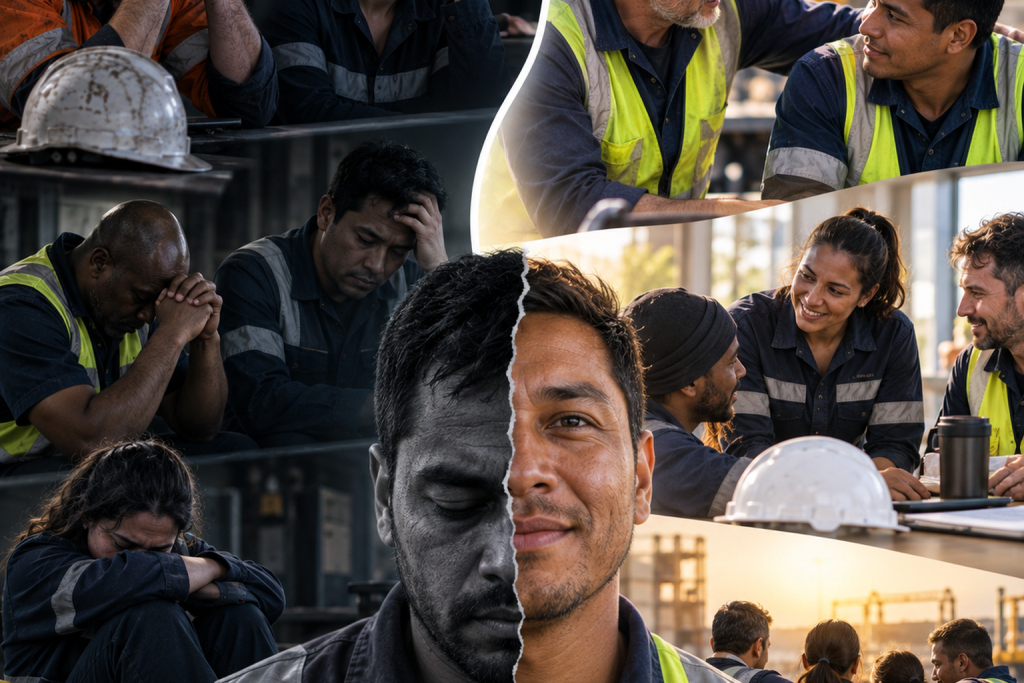
ARTICLE 32 — The Hidden Cost of “Always Being Strong”

Why Emotional Suppression Damages Workers, Teams, and Safety Culture Many workplaces unintentionally teach workers that strength means emotional silence. Workers hear messages such as: Over time, these messages create a culture where workers believe they must constantly appear emotionally strong, even when they are exhausted, overwhelmed, anxious, or struggling internally. This emotional suppression carries a

ARTICLE 32 — The Hidden Cost of “Always Being Strong” Read More »

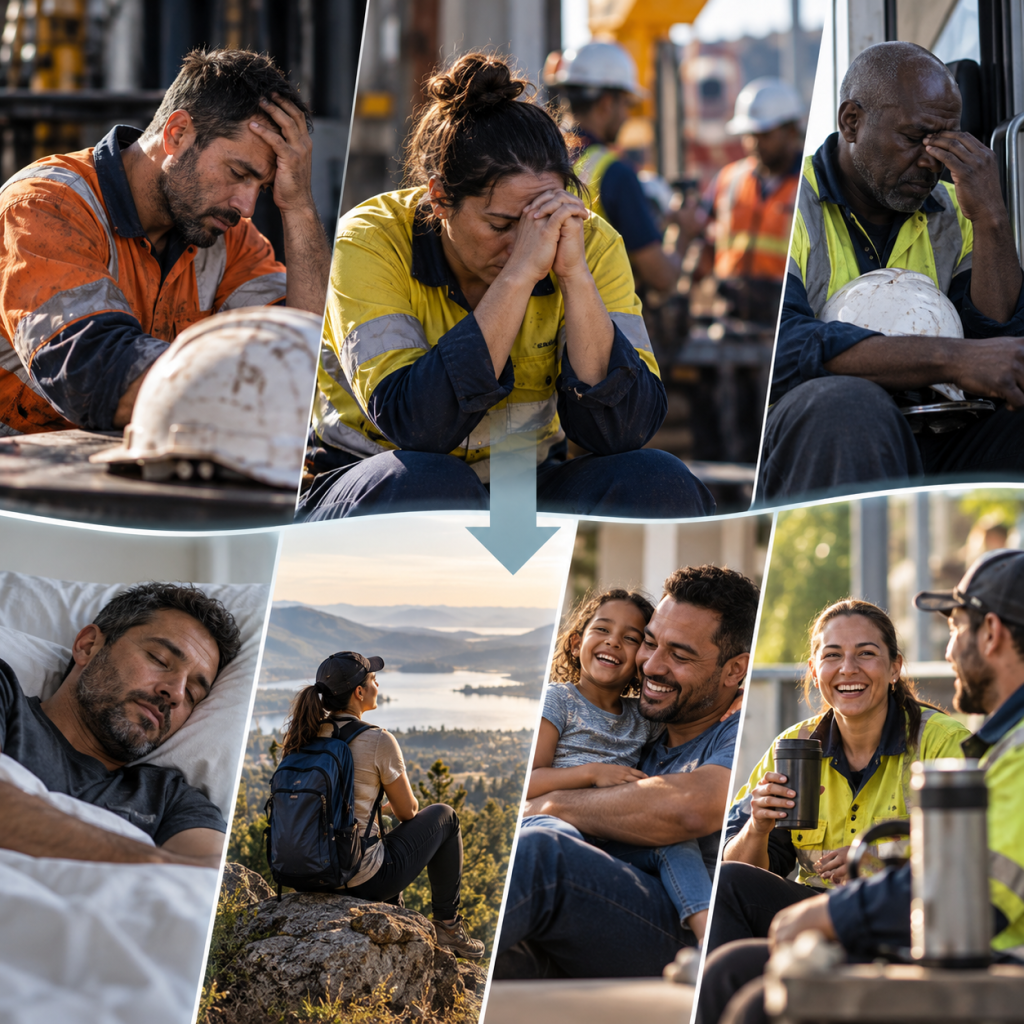
ARTICLE 31 — Why Workers Need Psychological Recovery, Not Just Physical Rest

Understanding the Hidden Mental Fatigue Affecting Safety and Performance Many organisations understand the importance of physical rest. Workers need sleep.Workers need breaks.Workers need time away from physically demanding tasks. But far fewer organisations recognise the importance of psychological recovery — the mental and emotional restoration workers need in order to think clearly, regulate stress, and

ARTICLE 31 — Why Workers Need Psychological Recovery, Not Just Physical Rest Read More »

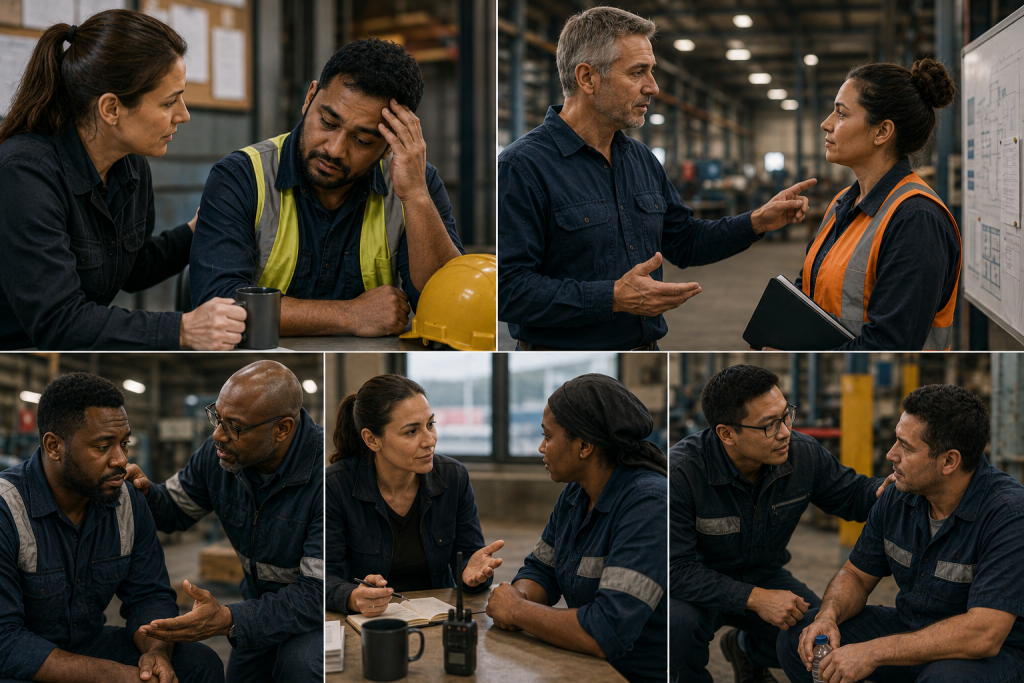
ARTICLE 30 — How Leaders Can Reduce Worker Stress in 5 Minutes

Why Small Moments of Support Have a Massive Impact on Safety, Focus, and Wellbeing Stress is one of the most common — and most underestimated — risks in the modern workplace. Unlike visible hazards such as machinery, heights, or electrical systems, stress often remains hidden beneath the surface. Workers may appear functional while internally carrying

ARTICLE 30 — How Leaders Can Reduce Worker Stress in 5 Minutes Read More »

ARTICLE 29 — The Emotional Intelligence Skills Every Supervisor Needs

Why Human-Centred Leadership Creates Safer, Stronger, and More Resilient Teams Technical skill may build infrastructure, operate machinery, and manage production — but emotional intelligence is what builds trust, teamwork, and psychological safety within a workforce. A supervisor can be technically excellent and still create fear, conflict, disengagement, and poor communication if they lack emotional intelligence.

ARTICLE 29 — The Emotional Intelligence Skills Every Supervisor Needs Read More »

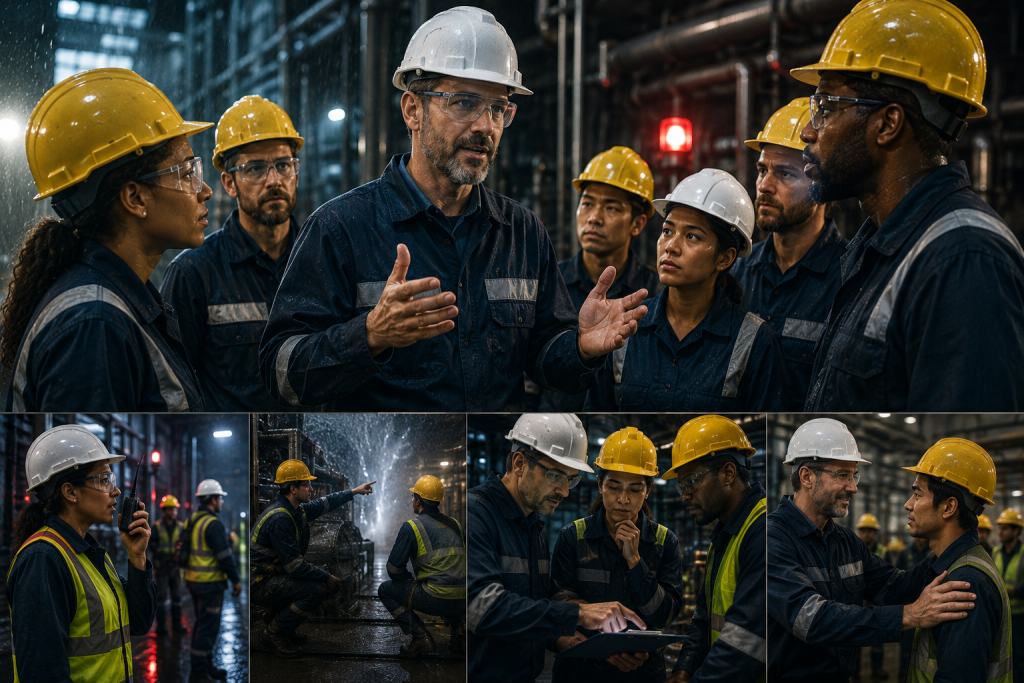
ARTICLE 28 — How Leaders Create Calm During Chaos

Why Emotional Stability Is One of the Most Important Safety Skills High-risk workplaces are unpredictable by nature. Equipment fails.Deadlines change suddenly.Weather conditions shift.Emergencies happen.People make mistakes.Unexpected problems appear without warning. In these moments of uncertainty and pressure, workers instinctively look to leadership for emotional direction. Long before workers analyse technical details, they assess something more

ARTICLE 28 — How Leaders Create Calm During Chaos Read More »

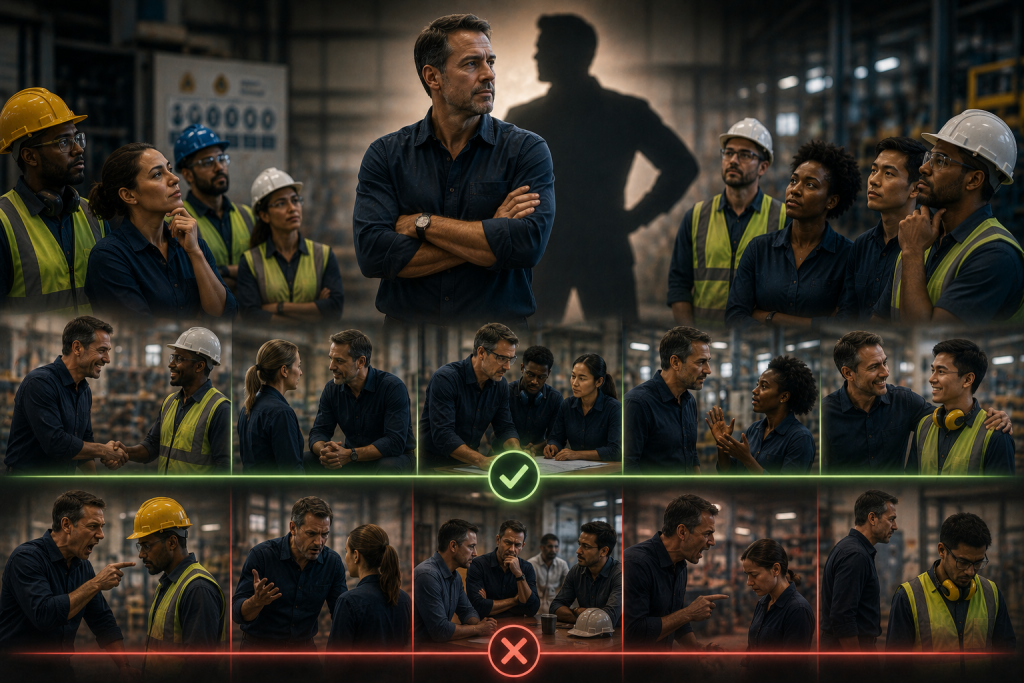
ARTICLE 27 — The Leadership Shadow: What Workers See When You Think They’re Not Looking

Why Leadership Behaviour Shapes Culture More Than Leadership Words Every leader casts a shadow. Not a physical shadow, but a behavioural one — a constant influence created through actions, reactions, tone, decisions, and emotional behaviour. Workers observe this shadow continuously, even when leaders believe nobody is paying attention. And what workers observe shapes workplace culture

ARTICLE 27 — The Leadership Shadow: What Workers See When You Think They’re Not Looking Read More »

ARTICLE 26 — How Supervisors Build (or Break) Trust in 30 Seconds

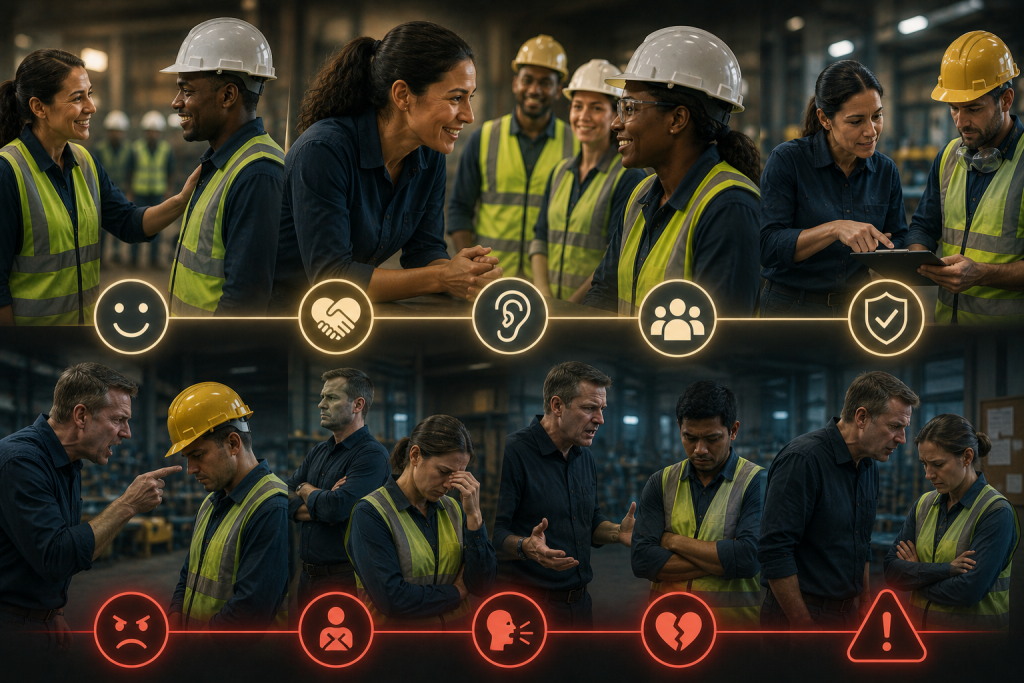
Why Small Interactions Have Enormous Emotional Impact Trust is rarely built through large speeches, formal meetings, or motivational slogans. It is built in moments. Small interactions between supervisors and workers often determine whether workers feel psychologically safe, respected, and willing to communicate openly. In many cases, workers decide whether they trust a supervisor within seconds

ARTICLE 26 — How Supervisors Build (or Break) Trust in 30 Seconds Read More »

ARTICLE 25 — The Five Leadership Behaviours That Predict Safety

Why Leadership Behaviour Shapes Workplace Culture More Than Policies Alone Safety is often associated with procedures, PPE, compliance systems, inspections, and technical controls. While these elements are important, they do not fully explain why some workplaces consistently maintain strong safety cultures while others struggle despite having similar systems in place. The difference is often leadership

ARTICLE 25 — The Five Leadership Behaviours That Predict Safety Read More »

ARTICLE 24 — The Power of Anonymous Reporting — When and How to Use It

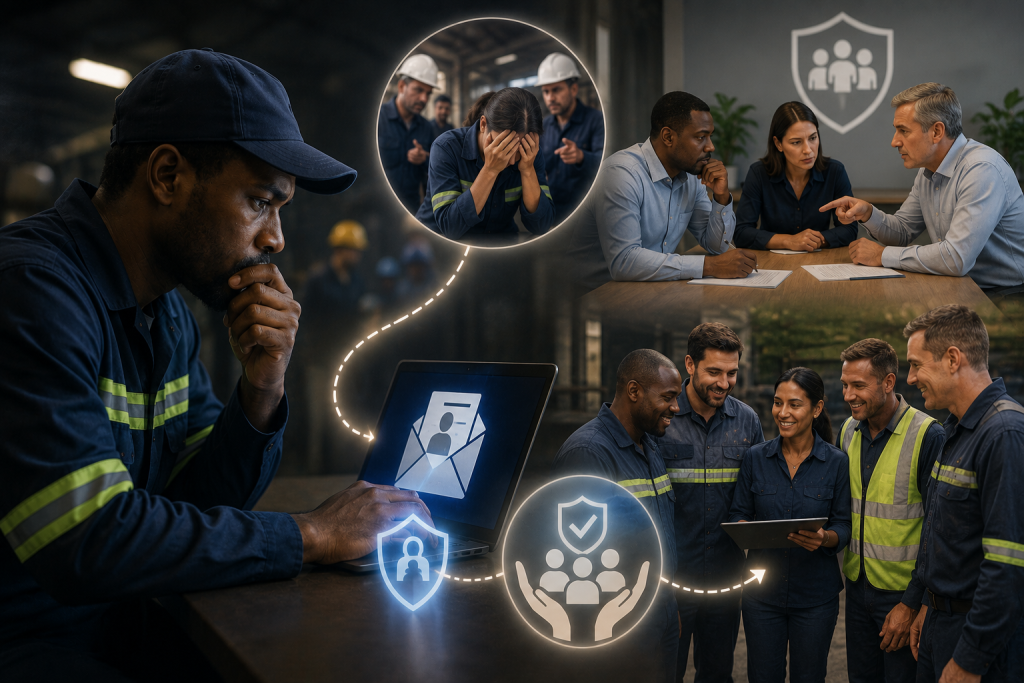
Creating Safe Pathways for Workers to Speak When Fear Is High Anonymous reporting is one of the most powerful tools organisations can use to surface hidden risks, sensitive concerns, and unsafe behaviour that workers may otherwise feel too afraid to raise openly. In workplaces where fear, mistrust, intimidation, or emotional insecurity exist, anonymity can provide

ARTICLE 24 — The Power of Anonymous Reporting — When and How to Use It Read More »

Shopping Cart
Translate »

You cannot copy content of this page

Scroll to Top