Worker Welfare Articles

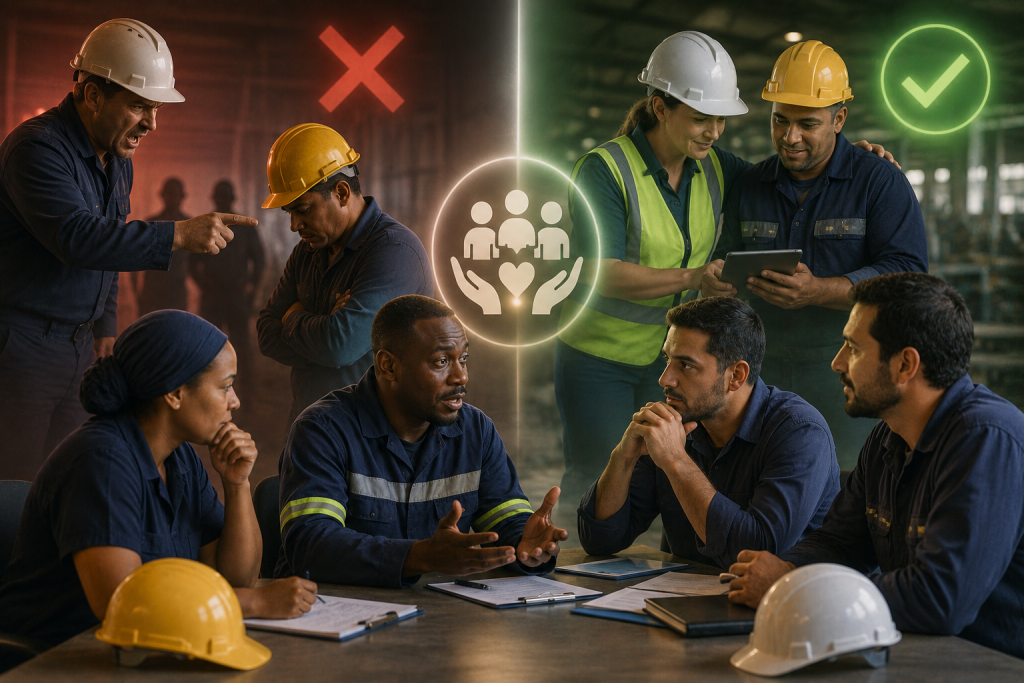
ARTICLE 23 — The Difference Between Reporting and Blaming

Creating a Workplace Culture Where Honesty Feels Safe One of the greatest barriers to workplace safety is the confusion between reporting and blaming. In many organisations, workers hesitate to report hazards, mistakes, near misses, or operational concerns because they fear being blamed personally for the problem. This fear creates silence. And silence is dangerous. Workers

ARTICLE 23 — The Difference Between Reporting and Blaming Read More »

ARTICLE 22 — How to Turn Complaints Into Improvement

Why Listening to Worker Frustration Strengthens Culture, Trust, and Safety Complaints are often viewed negatively in workplaces. Leaders may interpret complaints as resistance, negativity, poor attitude, or lack of commitment. In high-pressure environments, complaints can feel frustrating, inconvenient, or disruptive — especially when operational demands are already intense. But this perspective misses something important. Complaints

ARTICLE 22 — How to Turn Complaints Into Improvement Read More »

ARTICLE 21 — The Role of Peer Champions in Worker Voice

How Trusted Workers Strengthen Communication, Trust, and Safety Culture In many workplaces, workers speak more openly to peers than they do to supervisors or management. They share frustrations, concerns, fears, and personal struggles more honestly with the people who work alongside them every day. This human reality is what makes peer champions so powerful. Peer

ARTICLE 21 — The Role of Peer Champions in Worker Voice Read More »

ARTICLE 20 — How to Encourage Worker Voice in Multilingual Teams

Building Psychological Safety Across Language and Cultural Differences Modern workplaces are increasingly multilingual. Workers from different language groups, cultures, and educational backgrounds often work together in high-pressure environments where communication directly affects safety, teamwork, and operational performance. This diversity brings enormous strength. Multilingual teams offer broader perspectives, stronger adaptability, and richer cultural understanding. But they

ARTICLE 20 — How to Encourage Worker Voice in Multilingual Teams Read More »

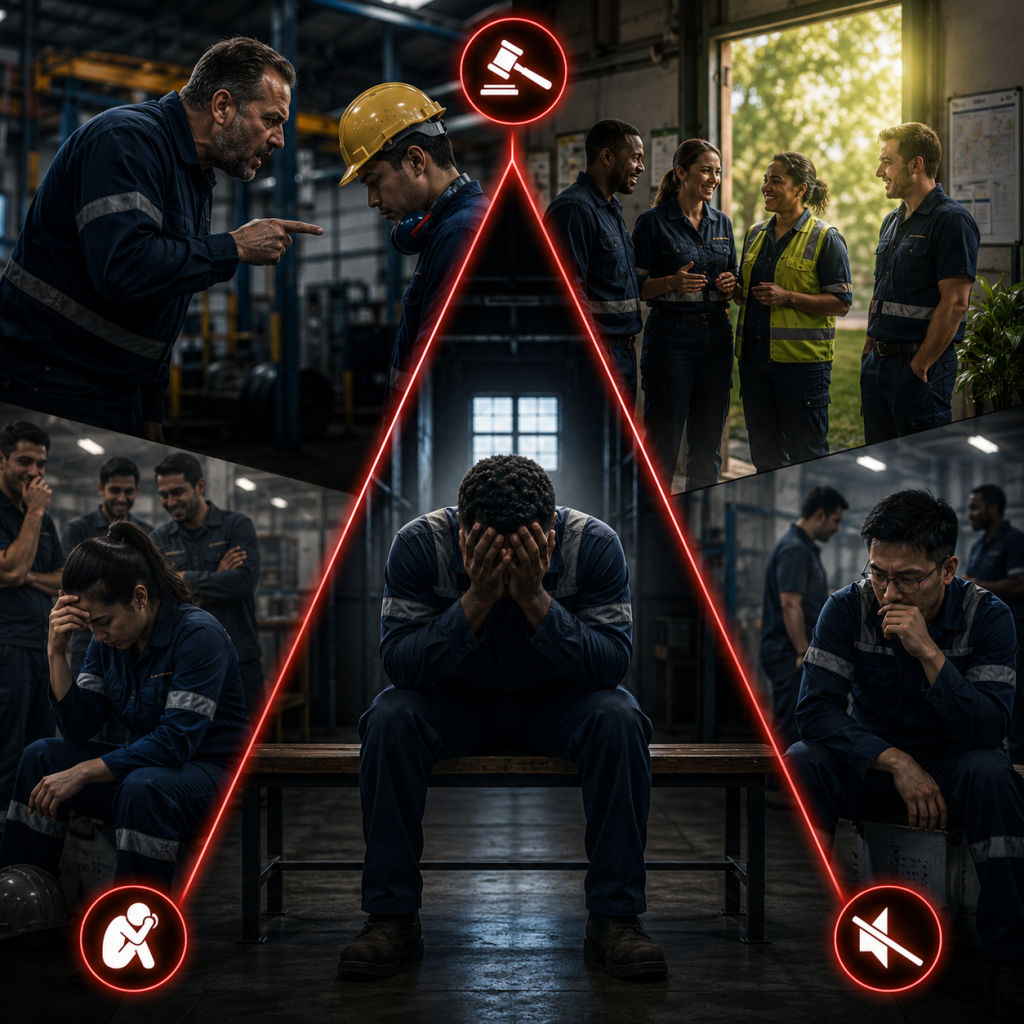
ARTICLE 19 — The “Fear Triangle”: Punishment, Shame, and Silence

How Fear Quietly Destroys Communication, Trust, and Safety Fear is one of the strongest forces shaping human behaviour in the workplace. It influences how workers think, communicate, react under pressure, and decide whether it feels safe to speak honestly. Yet fear rarely appears openly in organisational reports or safety statistics. Instead, it hides beneath silence.

ARTICLE 19 — The “Fear Triangle”: Punishment, Shame, and Silence Read More »

ARTICLE 18 — Why Workers Don’t Report Hazards — The Real Reasons

Understanding the Human Psychology Behind Workplace Silence Many leaders assume workers fail to report hazards because they are careless, uninterested, or unwilling to take responsibility. But the reality is far more complex — and far more human. Most workers notice hazards. The real question is:Why do they stay silent? In many workplaces, silence is not

ARTICLE 18 — Why Workers Don’t Report Hazards — The Real Reasons Read More »

ARTICLE 17 — The Four Levels of Worker Voice Maturity

Understanding How Trust, Psychological Safety, and Leadership Shape Communication Worker Voice is one of the strongest indicators of workplace culture. It reflects whether workers feel psychologically safe enough to speak honestly, raise concerns, challenge unsafe decisions, and contribute ideas without fear of humiliation, punishment, or rejection. Yet Worker Voice does not appear automatically. It develops

ARTICLE 17 — The Four Levels of Worker Voice Maturity Read More »

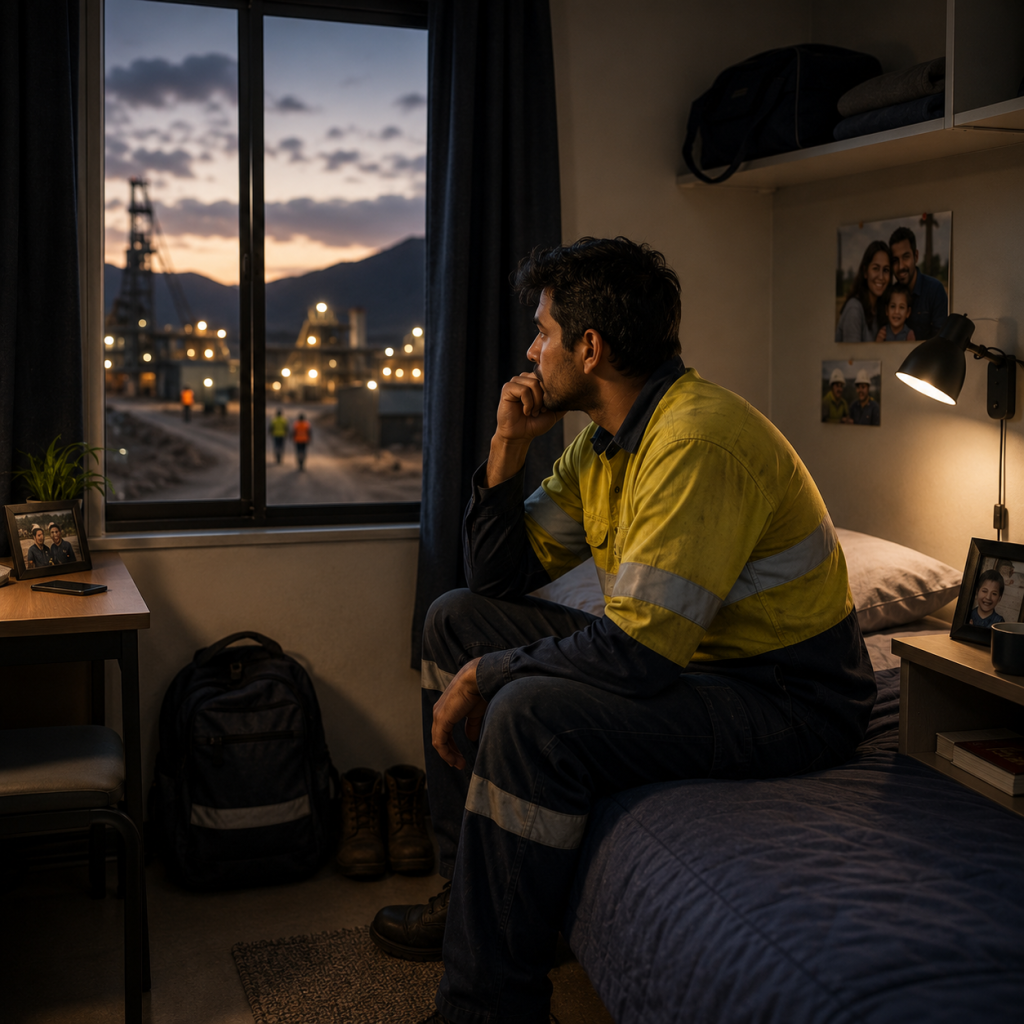
ARTICLE 16 — The Emotional Impact of Isolation

Why Loneliness and Disconnection Are Hidden Risks in Worker Welfare Isolation is one of the most underestimated risks in worker welfare. Unlike physical hazards, it often develops quietly and invisibly. A worker may appear calm, productive, and physically present while internally experiencing deep loneliness, emotional exhaustion, or disconnection from the people around them. For workers

ARTICLE 16 — The Emotional Impact of Isolation Read More »

ARTICLE 14 — The Importance of Privacy in Worker Accommodation

Why Personal Space Is Essential for Dignity, Recovery, and Safety Privacy is one of the most overlooked aspects of worker welfare, yet it is one of the most important human needs in any living environment. For workers living in shared accommodation, camps, hostels, or temporary housing, privacy often determines whether they can truly rest, recover

ARTICLE 14 — The Importance of Privacy in Worker Accommodation Read More »

Shopping Cart
Translate »

You cannot copy content of this page

Scroll to Top