
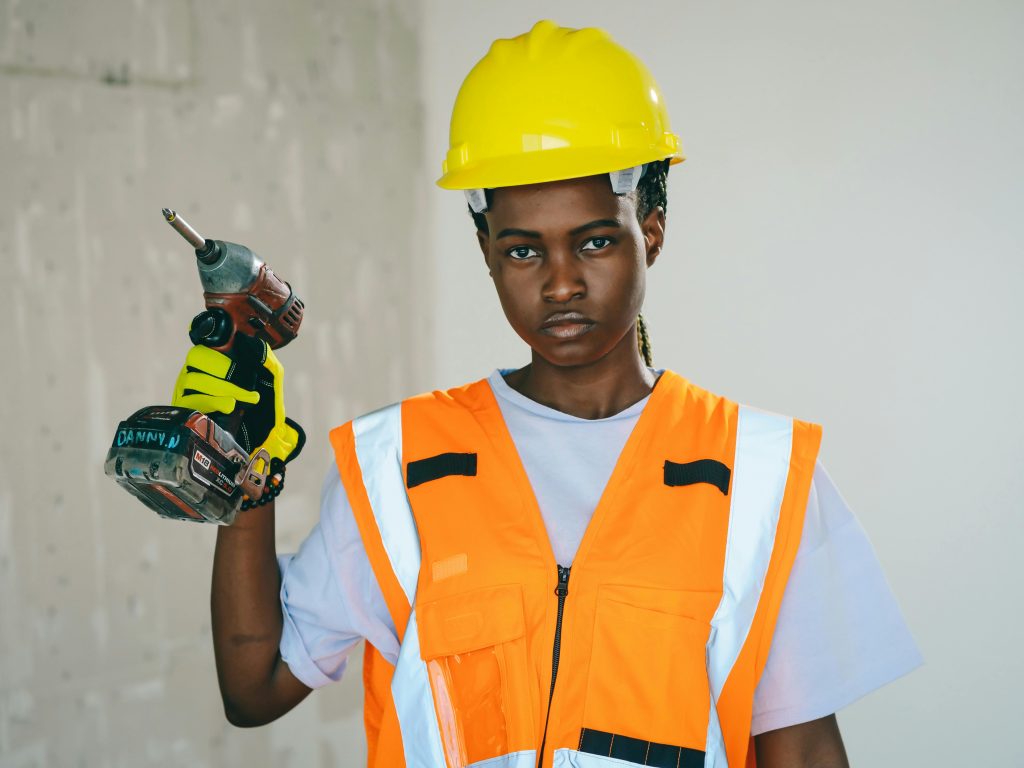
In hard hats and steel-toed boots, women across South Africa are breaking boundaries in one of the world’s toughest industries — construction.
Yet, their presence remains the exception rather than the norm.
Only 11.5% of South Africa’s construction workforce is female, and fewer than 3% hold executive roles.
Behind these numbers lie systemic barriers — unsafe conditions, unequal pay, lack of sanitation, and exclusion from leadership.
Ethical leadership has a responsibility to change this narrative — not only in corporate boardrooms but on-site, where dignity and safety are tested daily.
Ethical Leadership: The Blueprint for Inclusion
Ethical leadership is more than good governance — it is moral stewardship.
It’s the daily practice of leading with integrity, fairness, and accountability, ensuring that every worker, regardless of gender, is protected, respected, and given equal opportunity to succeed.
For women in construction, ethical leadership means dismantling the invisible barriers that have long confined them to the margins — and redesigning systems that welcome them into the heart of the build.
Health, Hygiene, and Safety: A Gendered Lens
In many construction sites, basic health and hygiene are still treated as optional. But for women, these are non-negotiable essentials.
An ethical leader views site safety through a gender-sensitive lens — one that considers:
- Access to clean, private sanitation facilities
- Properly fitted personal protective equipment (PPE) — ill-fitting gear increases injury risk and signals disregard
- Safe living and working conditions, especially for migrant and contract workers
Research shows that when gender-specific PPE and facilities are provided, morale, retention, and productivity improve significantly.
When women feel seen and safe, the entire workforce performs better.
Fair Recruitment and Wage Equity
Despite progress in policy, discrimination in hiring and pay persists across South Africa’s construction sector:
- Only 7% of large contractors are female-owned
- 45% of women report earning less than male peers in equivalent roles
- Only one in four firms offers mentorship or leadership pathways for women
Ethical recruitment and employment practices must therefore become the foundation of corporate integrity. They require:
- Transparent hiring and equal access to opportunities
- Equal pay for equal work
- Active mentorship and sponsorship for women in technical and leadership positions
Ethical leadership ensures that women are not only hired but heard, developed, and promoted.
Withholding Wages: A Breach of Law and Trust
Among the most damaging injustices women face in construction is withheld remuneration — through illegal deductions, delayed payments, or coercive practices.
This not only violates South Africa’s Basic Conditions of Employment Act (Section 34) but also destroys the trust that binds employer and employee.
True ethical leaders act decisively to:
- Guarantee full and timely payment of wages
- Audit payroll systems for compliance and transparency
- Create safe reporting channels for violations — without fear of retaliation
A paycheck delayed is a life destabilized.
Justice begins with payment that honors labour.
South Africa’s Construction Gender Snapshot (2025)
| Metric | Value |
| Women in construction workforce | 11.5% |
| Women CEOs in top 50 firms | <3% |
| Female-owned Grade 7+ contractors | 7% |
| Women reporting workplace bias | 60% |
| Women earning less than male peers | 45% |
These figures reflect deep structural inequities — and a clear call for ethical leadership to act with urgency and empathy.
PPC’s Commitment: Lifting Women, Shaping Systems
At Principles & Practice Consultancy (PPC), we believe ethical leadership must begin with inclusion.
Our work supports transformation through:
- Leadership training focused on ethical inclusion and gender awareness
- Policy audits to ensure equity in recruitment, pay, and promotion
- Mentorship and retention programs for women in technical roles
- Community engagement to amplify women’s voices on-site and in boardrooms
Because inclusion is not a compliance goal — it’s a cultural shift, powered by courage and care.
Final Reflection
Women in construction are not asking for special treatment — only fair opportunity, safety, and respect.
Ethical leadership means walking the scaffolding beside them, not watching from the sidelines.
It means ensuring that every woman — whether she’s laying bricks, designing bridges, or leading bids — can do so with dignity and confidence.
“When women build, nations rise stronger.”
Next in this series: We’ll explore grievance mechanisms and worker voice — how ethical systems empower individuals to speak up and shape safer, fairer workplaces.
Sources:
- Africa Projects Magazine – Women in South African Construction (2025)
- Department of Labour – Decent Work in Construction Pledge (2024)
- The Green Agenda – Inclusive Construction Practices (2025)
