
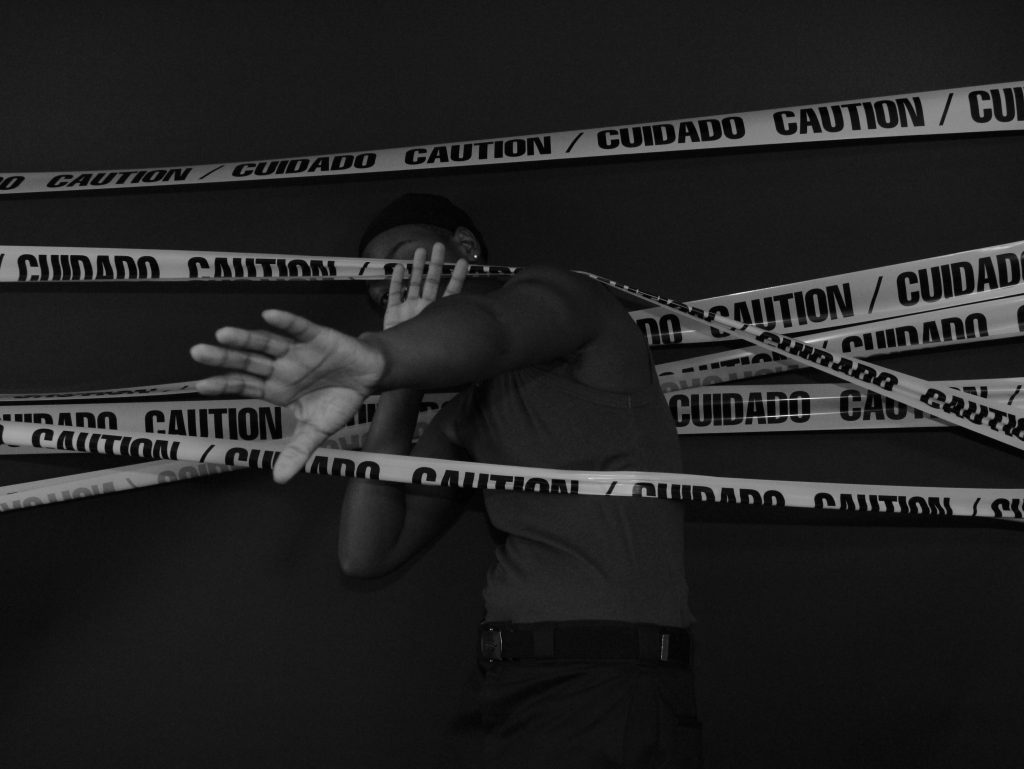
The Hidden Engine of High-Trust Cultures
Date: 8 September 2025
Introduction:
In organizations where silence is safer than honesty, innovation dies quietly. Psychological safety isn’t a soft concept—it’s a strategic necessity. It’s the condition that allows people to speak up, take risks, admit mistakes, and challenge norms without fear of humiliation or retaliation.
This week’s Voice explores how psychological safety transforms teams from compliant to courageous—and why leaders must be its architects.
Key Reflections:
- Are your people free to challenge ideas, or only to follow them?
- Do your systems reward transparency—or punish it subtly?
- What does it take to build a culture where safety is emotional, not just procedural?
Why It Matters:
✔ Teams with psychological safety outperform those without—because they learn faster, adapt better, and trust deeper.
✔ It reduces human error by encouraging early intervention and honest reporting.
✔ It’s the foundation for ethical leadership, inclusive decision-making, and resilient performance.
Leadership in Action:
- Invite dissent. Celebrate questions. Normalize feedback.
- Respond to mistakes with curiosity, not criticism.
- Make psychological safety a metric—not just a mindset.
Closing Thought:
“If people don’t feel safe to speak, they won’t feel safe to act. And when safety is silenced, performance suffers.”
