
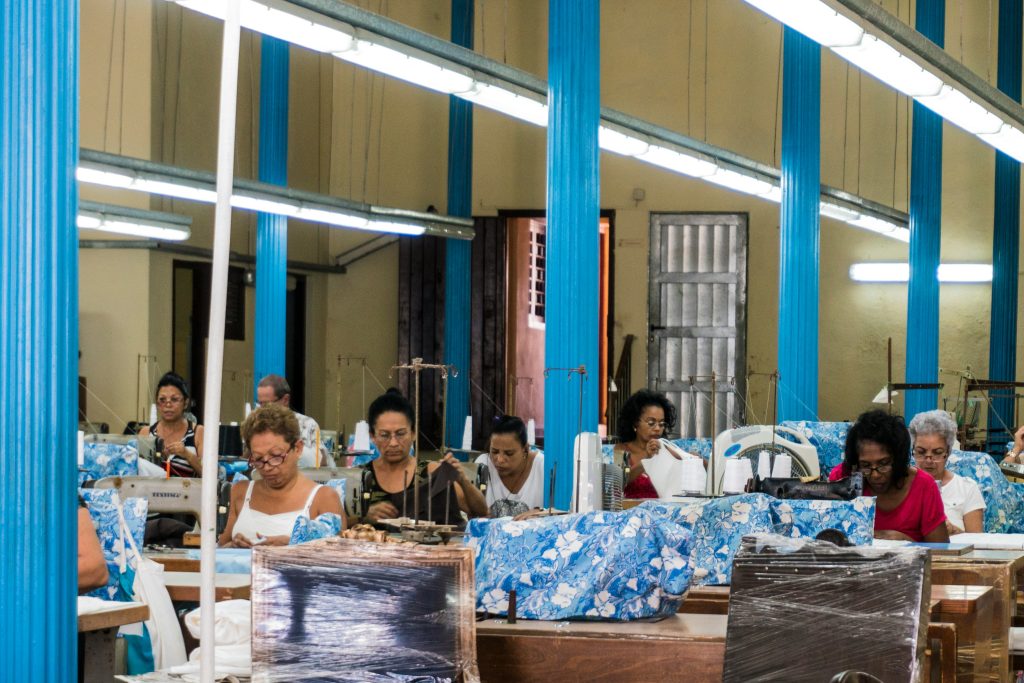
Ethical leadership begins not with policies or slogans — but with safeguarding the basics: health, safety, dignity, and fair pay.
In South Africa and around the world, violations in recruitment, hygiene, and wage practices continue to erode trust and harm the very people whose labour sustains industries. The time for leaders to simply comply has passed. Ethical leaders must act — with conscience, courage, and consistency.
Ethical Leadership: The Foundation of Worker Dignity
Ethical leadership is not a title. It’s a daily practice — a way of choosing people over profit, embedding fairness into decisions, and holding oneself accountable not just to law, but to moral responsibility.
In the context of worker welfare, ethical leadership begins with four non-negotiables:
- Health and hygiene that preserve dignity
- Safe working conditions that protect life
- Fair, transparent recruitment that empowers choice
- Timely, lawful remuneration that sustains families
These are not benefits. They are basic human rights.
Health and Hygiene: The First Line of Dignity
In sectors like construction, agriculture, and domestic work, too many workers still endure:
- A lack of clean drinking water and sanitation
- Inadequate hygiene facilities
- Poor ventilation and overcrowded housing
These conditions are more than operational oversights — they are violations of dignity. They compromise health, morale, and trust, while increasing absenteeism and disease risk.
Ethical leaders ensure that every worker — regardless of position or background — has access to clean, safe, and humane environments, both on and off the job.
Because the right to work should never come at the cost of one’s health.
Safety: A Non-Negotiable Obligation
According to the International Labour Organization (ILO), more than 2.3 million workers die each year from work-related accidents or diseases. In South Africa, the construction and mining sectors remain among the most hazardous.
Ethical leadership demands more than compliance — it demands conviction.
- Conduct proactive risk assessments
- Provide training and protective equipment
- Ensure transparent incident reporting
- Enforce zero tolerance for shortcuts that endanger lives
Safety is not a regulatory checkbox — it’s a moral contract.
Fair Recruitment: Ending Exploitation at the Gate
For too many workers, exploitation begins before employment even starts.
Charging recruitment fees, withholding identification documents, and misrepresenting job terms are unethical — and illegal.
In South Africa, both the Employment Equity Act and the Labour Relations Act prohibit such coercion, yet violations persist.
Ethical recruitment means:
- No recruitment fees charged to workers
- Written contracts in a language they understand
- Freedom from discrimination based on race, gender, disability, or origin
- Respect for personal documentation and freedom of movement
As Syensqo’s 2025 policy states:
“No recruitment fees or related costs may be charged to candidates, and no original ID documents may be retained.”
These aren’t just administrative standards — they are expressions of respect.
Fair Pay: The Heartbeat of Trust
Few injustices cut deeper than withheld wages.
When employers delay or deduct pay without cause, they not only violate Section 34 of South Africa’s Basic Conditions of Employment Act, but they also undermine family stability and erode trust.
Wages represent more than income — they are a worker’s promise fulfilled.
Ethical leaders ensure that every employee is paid fully, fairly, and on time.
Anything less is not just unethical — it’s theft cloaked as administration.
Ethical Leadership in Practice
A 2024 South African study found that ethical leadership mediates the relationship between HR practices and organizational justice by 32% in the private sector.
The message is clear: policies mean nothing without people who lead with integrity.
Ethical leadership is the human heartbeat behind compliance — where accountability meets empathy, and standards meet sincerity.
PPC’s Call to Action
At Principles & Practice Consultancy (PPC), we believe that ethical leadership is the cornerstone of sustainable performance.
Our work helps organizations:
- Audit and strengthen recruitment and wage practices
- Embed ethical leadership frameworks into HR systems
- Train managers to lead with integrity, empathy, and equity
- Establish safe channels for worker feedback and redress
Because ethical leadership isn’t about perfection — it’s about presence, accountability, and care.
Looking Ahead
In the next article of this series, PPC will explore how ethical leadership intersects with women’s welfare, particularly for those balancing executive roles and caregiving responsibilities — a dimension of ethics too often overlooked.
Final Thought
Ethical leadership begins where compliance ends — in the everyday choices that protect people’s dignity when no one is watching.
It’s not about managing risk.
It’s about honoring responsibility.
“When leaders lead with ethics, workers lead with trust — and that trust builds nations.”
Sources:
- SME Labour Support: Non-discriminatory Recruitment Practices
- Syensqo Ethical Recruitment & Employment Practices Policy (2025)
- SA Journal of Human Resource Management (2024): Ethical Leadership and Organisational Justice
