
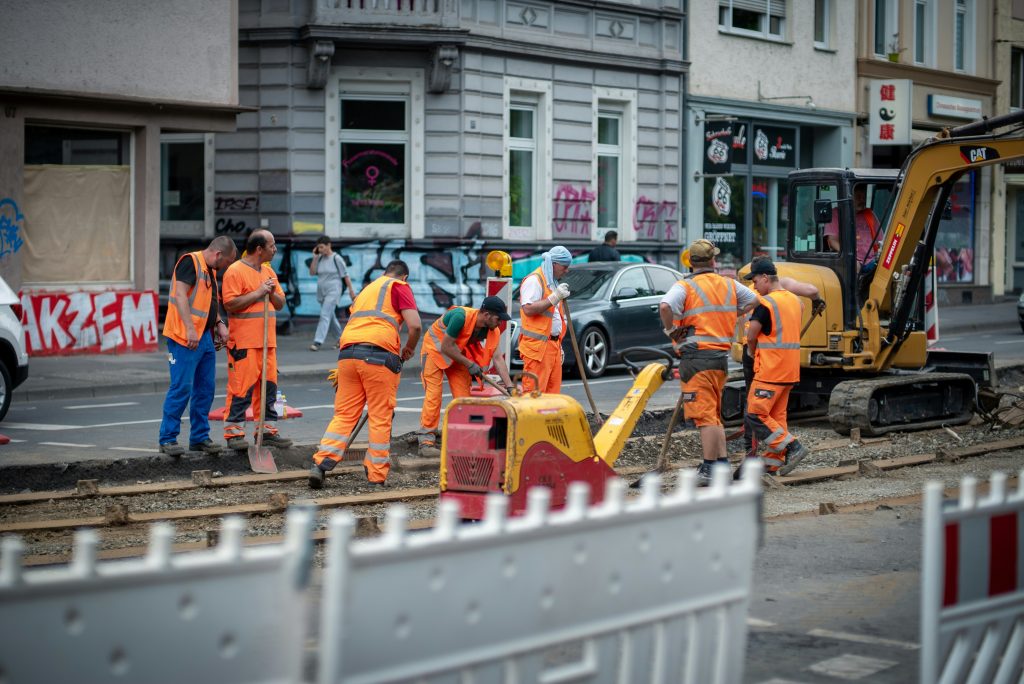
In 2025, more than 4 billion people across the world rise each day to work — to build, to serve, to grow, and to provide. Behind every product assembled, every field harvested, every road paved, and every home cleaned, there is a human being with a story, a family, and a dream.
Yet for millions, that work comes at a cost — long hours in unsafe conditions, wages that can’t sustain a family, and systems that overlook their humanity.
Worker welfare is not just an employment issue — it is a moral and social imperative. Protecting the dignity, safety, and opportunity of workers safeguards the very foundation of our societies.
What Is Worker Welfare — and Why It Matters
Worker welfare encompasses the holistic wellbeing of employees: physical safety, fair pay, access to healthcare, dignity in treatment, and freedom from exploitation.
When worker welfare is prioritized, the benefits ripple far beyond the workplace:
- Families gain stability, education, and access to healthcare.
- Communities experience reduced poverty, improved public health, and stronger cohesion.
- Employers benefit through higher productivity, lower turnover, and greater reputational trust.
Neglecting welfare, however, creates generational harm — particularly in vulnerable sectors such as construction, agriculture, domestic work, and mining.
The Global Picture: A 2025 Snapshot
According to the International Labour Organization’s World Employment and Social Outlook: Trends 2025, the state of worker welfare remains deeply concerning:
- Over 630 million people still live in working poverty, as informal employment rises post-pandemic.
- Youth unemployment remains at 12.6%, with limited access to stable, dignified work.
- Women earn on average 20% less than men and continue to face widespread harassment.
- Occupational injuries claim more than 2.3 million lives annually, with construction among the deadliest sectors.
- Migrant workers face disproportionate risks — wage theft, abuse, and limited legal recourse.
These figures are not just statistics — they are reminders that reform must move from policy to practice, from promises to protection.
South Africa’s Worker Welfare Reality
In South Africa, the 2025 Employment Equity Report reveals persistent challenges that mirror global trends:
- Unfair discrimination and workplace harassment remain the most reported grievances — particularly affecting women and persons with disabilities.
- Transformation gaps in senior management highlight ongoing racial and gender inequities.
- Non-compliance with employment equity reporting is widespread.
- In vulnerable communities, child labour and informal exploitation persist.
These realities reflect more than operational shortcomings — they reveal systemic barriers to dignity and inclusion.
The Ten Principles of Worker Welfare (Building Responsibly)
To guide organizations toward ethical and sustainable practice, Building Responsibly, a global coalition of engineering and construction firms, promotes the following principles:
- Treat all workers with dignity, respect, and fairness.
- Provide safe and healthy working and living conditions.
- Support ethical recruitment and employment practices.
- Ensure workers have access to grievance mechanisms.
- Respect freedom of movement and autonomy.
- Provide transparent employment information.
- Support workers’ access to personal documentation.
- Ensure fair wages and timely payment.
- Promote worker voice and representation.
- Continuously monitor and improve welfare practices.
These principles are not aspirations — they are obligations. They form a blueprint for ethical leadership, and every organization must ask itself:
“Do we meet or exceed these principles?”
PPC’s Commitment: Amplifying Worker Voices
At Principles & Practice Consultancy (PPC), worker welfare is not a side initiative — it is central to ethical leadership.
Our mission is to:
- Create safe platforms for worker expression, especially in silenced or marginalized sectors.
- Support ethical leadership transformation, embedding welfare into everyday decision-making.
- Partner with legal and community stakeholders to resolve grievances and advance justice.
- Amplify worker stories — not for sympathy, but for systemic change.
Every worker’s voice is a thread in the fabric of national dignity. When we listen, we strengthen that fabric for all.
What’s Next in This Series
In the coming months, PPC’s Worker Welfare Series will explore themes that matter most to the human side of work, including:
- Ethical leadership and the operationalization of welfare
- Women’s dual roles in leadership and caregiving
- Occupational health and the hidden costs of neglect
- Community-based solutions for inclusive growth
A Final Word
Worker welfare is not charity — it is justice in motion.
It is the recognition that every job, no matter how humble, sustains not just an economy, but a life.
Let us build a future where worker welfare is not a policy statement but a lived reality — where every workplace honors the simple truth:
“When workers thrive, nations rise.”
Sources:
- International Labour Organization: World Employment and Social Outlook – Trends 2025
- Republic of South Africa: 25th Employment Equity Report (2025)
- Building Responsibly: Worker Welfare Principles
