adminPPCI09

Belonging and Inclusion

Creating Spaces Where Every Voice Matters Belonging is the emotional experience of being valued, respected, and accepted. Inclusion is the set of behaviours that make that experience possible. Together, they shape how people engage, contribute, and perform. Leaders play a decisive role in creating both. Belonging does not happen by chance.It is built through intentional

Belonging and Inclusion Read More »

ARTICLE 30 — How Leaders Can Reduce Worker Stress in 5 Minutes

Why Small Moments of Support Have a Massive Impact on Safety, Focus, and Wellbeing Stress is one of the most common — and most underestimated — risks in the modern workplace. Unlike visible hazards such as machinery, heights, or electrical systems, stress often remains hidden beneath the surface. Workers may appear functional while internally carrying

ARTICLE 30 — How Leaders Can Reduce Worker Stress in 5 Minutes Read More »

ARTICLE 29 — The Emotional Intelligence Skills Every Supervisor Needs

Why Human-Centred Leadership Creates Safer, Stronger, and More Resilient Teams Technical skill may build infrastructure, operate machinery, and manage production — but emotional intelligence is what builds trust, teamwork, and psychological safety within a workforce. A supervisor can be technically excellent and still create fear, conflict, disengagement, and poor communication if they lack emotional intelligence.

ARTICLE 29 — The Emotional Intelligence Skills Every Supervisor Needs Read More »

The Leader’s Tone

How Small Shifts Create Big Outcomes The Voice Series – Article 13 Tone is the emotional colour of communication.It shapes how messages are received long before their content is fully processed. Two leaders can use identical words and produce entirely different outcomes — because tone determines whether people feel respected or dismissed, encouraged or attacked,

The Leader’s Tone Read More »

Building High-Performing Teams

Clarity, Trust, and Shared Purpose High performance is not accidental. It is the result of intentional leadership that creates clarity, builds trust, and aligns people around a shared purpose. Teams do not become high-performing simply because of talent; they become high-performing because of how they are led. Effective leaders understand that performance is sustained through

Building High-Performing Teams Read More »

ARTICLE 28 — How Leaders Create Calm During Chaos

Why Emotional Stability Is One of the Most Important Safety Skills High-risk workplaces are unpredictable by nature. Equipment fails.Deadlines change suddenly.Weather conditions shift.Emergencies happen.People make mistakes.Unexpected problems appear without warning. In these moments of uncertainty and pressure, workers instinctively look to leadership for emotional direction. Long before workers analyse technical details, they assess something more

ARTICLE 28 — How Leaders Create Calm During Chaos Read More »

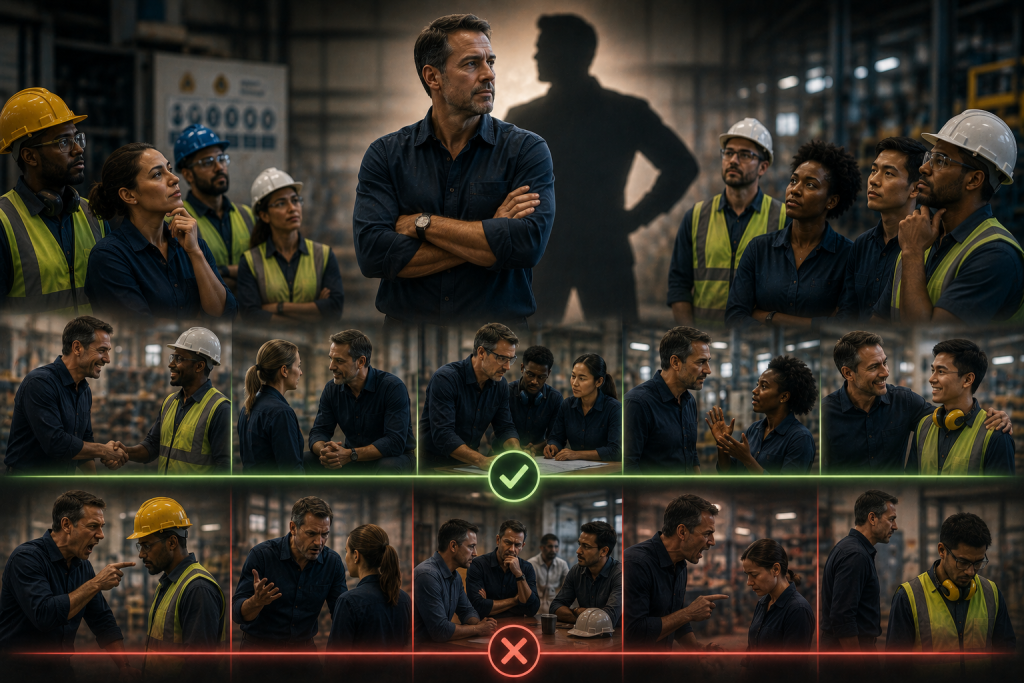
ARTICLE 27 — The Leadership Shadow: What Workers See When You Think They’re Not Looking

Why Leadership Behaviour Shapes Culture More Than Leadership Words Every leader casts a shadow. Not a physical shadow, but a behavioural one — a constant influence created through actions, reactions, tone, decisions, and emotional behaviour. Workers observe this shadow continuously, even when leaders believe nobody is paying attention. And what workers observe shapes workplace culture

ARTICLE 27 — The Leadership Shadow: What Workers See When You Think They’re Not Looking Read More »

Mentorship That Matters

Investing in the Future Through People Mentorship is leadership at its most generous. It reflects a leader’s willingness to invest time, experience, and care into the growth of another person. More than guidance, mentorship builds confidence, capability, and belief — often long before results are visible. At its core, mentorship is an act of stewardship.

Mentorship That Matters Read More »

Shopping Cart
Translate »

You cannot copy content of this page

Scroll to Top